How to Choose the Best Outdoor Shoes for Global Sourcing?
Choosing the best Outdoor Shoes for global sourcing involves more than comparing prices. The right pair must match terrain, climate, user expectations, and supply capabilities. A hiking shoe for wet mountain trails needs a different outsole from a lightweight walking shoe for city travel.
Experienced sourcing teams examine every detail. They check rubber hardness, tread depth, heel stability, stitching quality, lining comfort, and adhesive performance. Small defects matter. A loose thread can become a customer complaint after one rainy weekend.
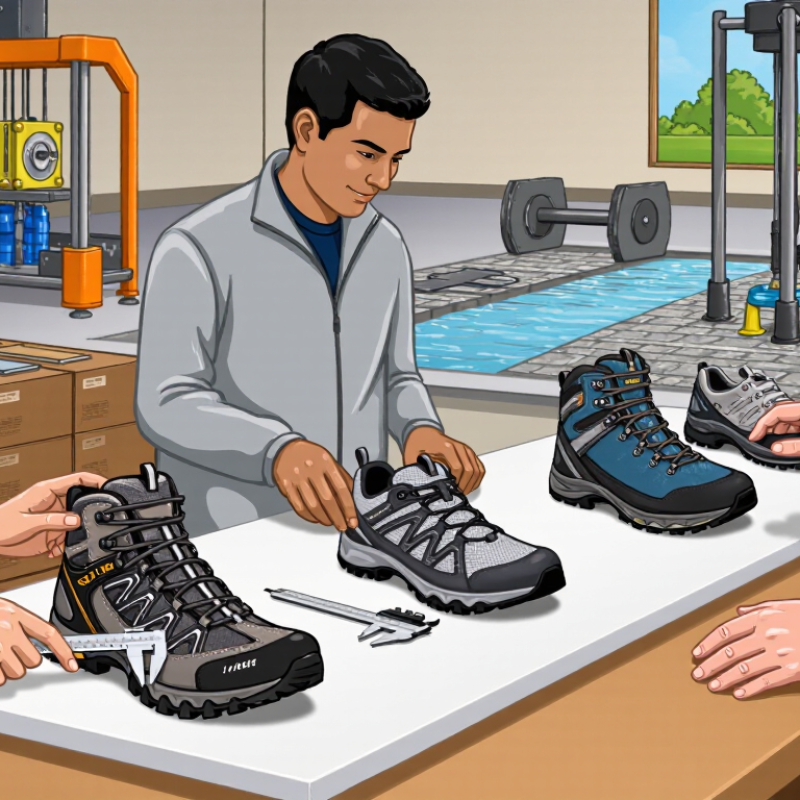
Product samples should face practical testing. Walk across wet cobblestones. Bend the forefoot repeatedly. Inspect the heel counter after long use. These simple checks often reveal weaknesses that photographs cannot show.
Supplier evaluation matters just as much. Buyers should review factory experience, production capacity, quality-control procedures, material traceability, and export documentation. A factory may offer attractive pricing, yet struggle with consistent sizing or seasonal demand. That risk deserves attention.
Certification claims require verification. Ask for current documents, testing reports, and clear material specifications. Requirements differ across markets, so professional advice may be necessary before placing a large order.
Cost is only one part of the decision. Freight, packaging, inspection, returns, replacement rates, and delivery delays can change the final margin. A cheaper shoe may become expensive later.
No checklist is perfect. Product testing can miss real-world problems, especially when usage varies by region. Strong sourcing decisions combine technical evidence with customer feedback and honest supplier communication. This guide explains how to compare Outdoor Shoes with greater confidence, while recognizing that even careful buyers must continue learning.
Define Your Outdoor Shoe Sourcing Requirements
Define Your Outdoor Shoe Sourcing Requirements
A reliable sourcing brief starts with the user, terrain, and weather. Hiking shoes for wet forests need different specifications than trail shoes for hot, rocky routes. The Outdoor Industry Association’s 2024 Participation Trends Report recorded 175.8 million U.S. outdoor participants in 2023. This demand rewards precise product planning, not vague claims.
Specify the target market, season, size range, and expected retail price. Then define measurable details: waterproof performance, outsole grip, upper abrasion resistance, weight, cushioning, and repairability. Global footwear production exceeded 22 billion pairs in 2023, according to the World Footwear Yearbook 2024. That scale creates sourcing choices, but also quality risks. Ask suppliers for test reports, material traceability, factory capacity, and sample approval records. I have found that one missing detail, such as “durable grip,” can cause costly misunderstandings. My own briefs have sometimes been too optimistic about lead times.
Tips:
Create a one-page specification sheet. Include terrain photos and climate data. Set acceptance limits for weight, bonding, color, and sole wear. Request samples in at least two sizes. Test them on wet stone, loose gravel, and stair edges. Keep a written record of every revision. Do not rely only on factory samples; real users walk differently. That assumption deserves review.
Compare Shoe Types for Different Outdoor Activities
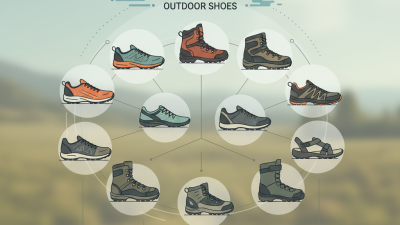
Outdoor footwear should be matched to terrain, not fashion. The Outdoor Industry Association’s 2024 report recorded 175.8 million U.S. outdoor participants in 2023. That scale creates varied sourcing demand. Lightweight trail shoes suit fast hikers and mixed paths. They need flexible midsoles, protective toe caps, and aggressive rubber lugs. Hiking boots offer stronger ankle support and better load control. However, they can feel heavy during long climbs.
Road running shoes prioritize shock absorption, low weight, and smooth outsole movement. They are unsuitable for loose rock or wet roots. Approach shoes combine climbing-style grip with hiking comfort. Their rubber zones help on slabs and steep, uneven ground. Water shoes need quick drainage, secure heel fit, and non-marking traction. The best choice depends on user speed, pack weight, climate, and replacement expectations. The boundary is not always clean. Some products perform well across two activities but rarely excel at all of them.
Tips: Ask factories for activity-specific samples, not one universal prototype. Check outsole grip on wet stone, heel slippage, seam strength, and drying time. ASTM F2412 and F2413 address protective footwear testing, but they do not replace outdoor performance trials. The World Footwear 2024 survey also noted continued pressure on footwear supply chains, making material consistency important during global sourcing. Request test records and production samples from different batches. I would not trust laboratory numbers alone. A shoe that passes a test may still pinch after four hours on a rocky trail. Test it with real socks and realistic loads.
How to Choose the Best Outdoor Shoes for Global Sourcing?
Compare Shoe Types for Different Outdoor Activities
The chart uses a practical 1–5 suitability scale based on common footwear design characteristics, including ankle support, outsole traction, cushioning, flexibility, water resistance, and load-carrying comfort. Higher scores indicate a better fit for the activity.
Evaluate Materials, Construction, and Product Performance
Choosing outdoor shoes for global sourcing starts with evidence, not attractive samples. Material selection should match terrain, climate, and expected retail price. Full-grain leather can resist abrasion, but it may add weight and require careful moisture control. Engineered mesh improves airflow, while welded overlays protect high-wear zones. Ask suppliers for composition records, test reports, and production samples from different batches. One sample is not enough.
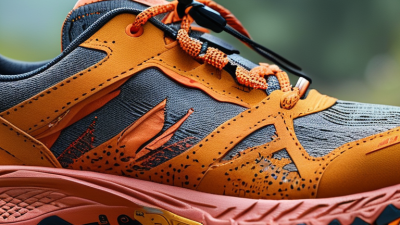
Construction reveals whether a shoe can survive repeated use. Inspect stitching density around the toe, heel, and lace eyelets. Pull the upper gently and check for loose threads or uneven bonding. A molded rubber outsole should attach evenly, without visible gaps or soft edges. Examine the midsole after flexing it repeatedly. Cracks, permanent creases, or shifting layers suggest weak process control. Factory photographs often hide these details, so physical inspection matters.
Product performance needs practical testing. Walk on wet pavement, loose gravel, stairs, and packed soil. Measure grip, water resistance, comfort, drying time, and outsole wear. Test several sizes because fit can change across the range. Temperature also matters; foam may feel firm in cold warehouses. Do not trust a single laboratory result. Field feedback can expose problems that controlled testing misses. A small compromise in weight may improve durability, but customers may reject the feel.
Assess Suppliers, Certifications, and Production Capabilities
Choosing outdoor shoes for global sourcing requires more than comparing catalog prices. Supplier evaluation should begin with production evidence. The World Footwear Yearbook 2024 reported that Asia produced about 87% of the world’s footwear in 2023. This concentration creates capacity, but also increases dependence on regional supply chains. Ask for monthly output, seasonal capacity, material lead times, and defect rates. Request recent factory audit records, not polished presentations. Check whether the supplier can control waterproof membranes, bonded seams, rubber compounds, and outsole adhesion.
Certifications must match the product and destination market. ISO 9001 supports quality management, while ISO 14001 indicates an environmental management system. Neither guarantees durable hiking shoes. Verify certificate numbers with the issuing body, then compare the certified factory address with the actual production site. Test materials for restricted substances under applicable requirements, including REACH where relevant. The International Labour Organization’s 2022 report estimated that 160 million children were engaged in child labour globally, showing why labor due diligence cannot be treated as paperwork. Independent social audits, worker interviews, and traceable subcontracting records provide stronger evidence. Still, audits can miss hidden workshops. That weakness deserves attention.
Production trials reveal practical capability. Order samples from the intended line, then test flexing, wet grip, abrasion, stitching, and temperature exposure. Intertek’s Global Consumer Product Survey 2023 found that product quality and safety remain major purchasing concerns across markets. Build acceptance limits before mass production. Ask how rejected pairs are isolated and repaired. A low price may hide weak process control. Sometimes, the “best” supplier is not the cheapest one. It is the one willing to show uncomfortable data.